Artemisia Fine Arts & Antiques Ltd
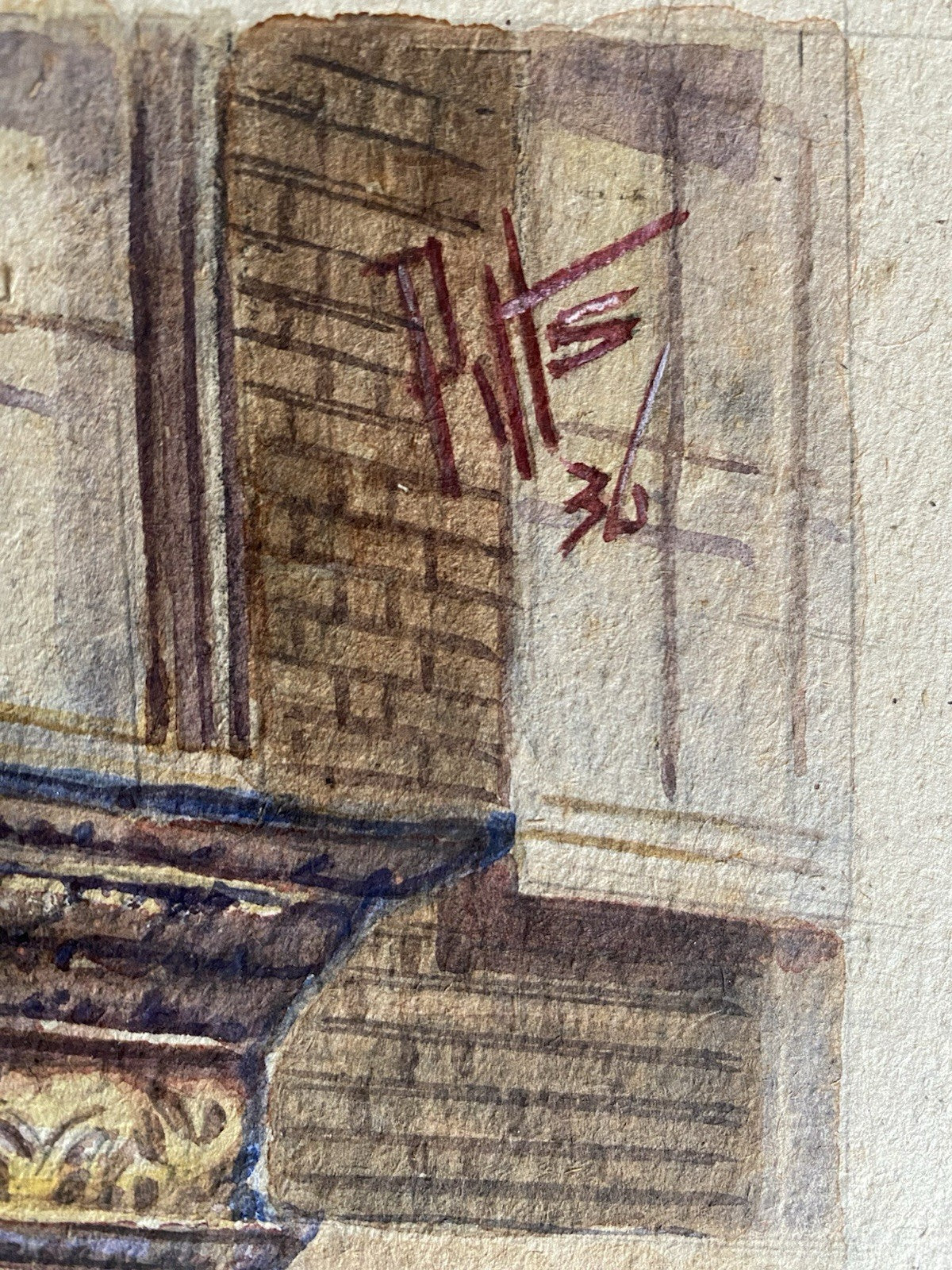
Wren Period Door Canopy (1936) - Frederick L. Pitts | American-British Architectural Watercolour
Wren Period Door Canopy (1936) - Frederick L. Pitts | American-British Architectural Watercolour
Couldn't load pickup availability
🎨 Artist: Frederick L. Pitts
📋 Title: 'Wren Period Door Canopy'
🏴 Origin: Britain
📅 Date: 1936
🖼️ Medium: Watercolour
🎭 Style: Architectural Study
🏛️ Subject: Wren Period Architecture
📍 Location: Artemisia Fine Arts & Antiques Ltd, Malta
Wren Period Door Canopy (1936) - Frederick L. Pitts
An exceptional architectural watercolour study titled 'Wren Period Door Canopy' by British artist Frederick L. Pitts, precisely dated 1936. This accomplished work demonstrates Pitts's mastery of architectural rendering and his engagement with the distinguished tradition of British architectural watercolour painting. 🏛️
The specific dating to 1936 places this work within the interwar period, when architectural watercolours served both artistic and documentary purposes.
Frederick L. Pitts - Architectural Artist
Frederick L. Pitts worked within the distinguished tradition of British architectural watercolour, creating detailed studies of historic buildings and architectural elements. Artists specializing in architectural subjects combined technical precision with aesthetic sensibility, producing works that served both as accurate records and as works of art. ✨
The interwar period saw continued appreciation for architectural watercolours, with artists documenting Britain's architectural heritage during a time of increasing awareness of conservation needs.
Wren Period Architecture
The designation 'Wren Period' refers to the architectural style associated with Sir Christopher Wren (1632-1723), Britain's most celebrated architect. Wren's work—particularly his rebuilding of London churches after the Great Fire of 1666—defined English Baroque architecture and influenced British building for generations. Wren period door canopies exemplify the elegant classical detailing characteristic of this important architectural era. 🏰
The study of Wren period elements reflects appreciation for Britain's architectural heritage and the classical tradition in British design.
Architectural Watercolour Tradition
British architectural watercolour has a distinguished history, with artists creating detailed studies of buildings, architectural elements, and decorative details. These works served multiple purposes: documenting historic architecture, providing design references for architects and craftsmen, celebrating Britain's architectural heritage, and creating works of aesthetic beauty. The tradition flourished from the 18th through 20th centuries. 🎨
Door Canopy as Subject
The focus on a door canopy—the decorative and protective structure above an entrance—demonstrates the architectural watercolourist's attention to detail and appreciation for architectural ornament. Wren period canopies featured classical elements including columns, pediments, carved details, and elegant proportions that exemplified the refined taste of the period. Such studies preserved details of architectural craftsmanship. 💫
1936 - Precise Dating
The specific date of 1936 places this work within the interwar period, a time of growing awareness of Britain's architectural heritage and increasing efforts toward historic preservation. Architectural watercolours from this period document buildings and details before wartime damage and post-war development altered Britain's historic fabric. The precise dating adds documentary and historical value. 📅
Artistic Merit & Technical Excellence
This work demonstrates Pitts's understanding of architectural form and detail, his mastery of watercolour technique for rendering stone, shadow, and ornament, his ability to create accurate yet aesthetically pleasing architectural studies, and his engagement with Britain's architectural heritage. The piece combines technical precision with artistic sensibility. 💎
Watercolour Medium & Architecture
Watercolour proved ideal for architectural studies, allowing artists to capture subtle tonal variations in stone, create atmospheric effects, render fine architectural detail, and produce works quickly for documentary purposes. British watercolourists achieved particular excellence in architectural subjects, creating works valued for both accuracy and beauty. 🖼️
Collecting Architectural Watercolours
Architectural watercolours appeal to collectors of British art, those interested in architectural history, and individuals drawn to works that combine technical precision with aesthetic appeal. Dated works like this 1936 study offer particular value, documenting specific moments in architectural appreciation and preservation history.
*Flexible payment plans are available to make collecting more accessible*
Display & Appreciation
Ideal for collectors of architectural art, British watercolours, or works celebrating classical architecture. The study brings the elegance of Wren period design into interior spaces, offering both visual beauty and connection to Britain's distinguished architectural heritage. Particularly suitable for libraries, studies, or settings where architectural appreciation is valued. 🏛️
The precise dating and specific subject make this work appealing to those interested in architectural history, classical design, or the documentary role of architectural watercolours.
An exceptional architectural watercolour study from 1936, perfect for collectors of British art, architectural subjects, or those seeking precisely dated works celebrating Britain's classical architectural heritage.
Prices exclude VAT and international shipping.
Share